


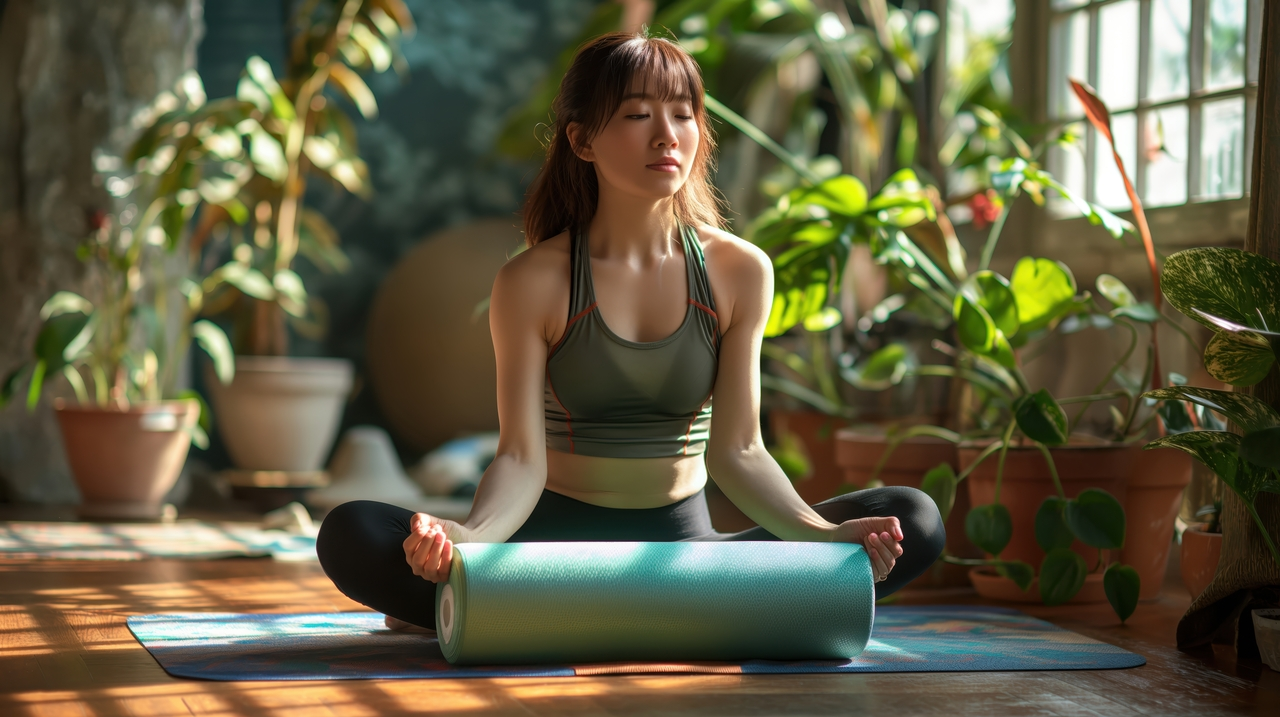
Yoga for Constipation: A Complete Guide to Improve Digestion Naturally
Many people experience constipation at one point or another in their lives. Constipation occurs when the bowel movement becomes slow, difficult, or hard to pass. You may feel bloated and heavy throughout the day. Although medicines may provide quick relief, the underlying cause is not always addressed. Yoga helps the body to work more efficiently from within. It is gentle and natural. Yoga helps to wake up the digestive system, promotes better bowel movements, and calms the brain, all of which are important for gut health.
The body is not forced to do yoga. It works more slowly, naturally, by relaxing the nervous system, stretching your stomach, increasing blood flow, and improving circulation. Regular yoga practice can reduce gas and improve digestion.
Yoga for Constipation Relief
Constipation can be treated with yoga in many powerful and simple ways. Yoga poses gently compress and stretch your stomach. The movement of the abdomen helps to push waste into the intestines and makes it easier for you to pass stool. Yoga poses can also improve the function of your digestive system.
Constipation and stress are often connected. Stress causes your body to go into a tension mode and slows digestion. Yoga relaxes and calms your mind. The deep breathing that occurs during yoga signals the brain to relax. This helps to keep the stomach working in its natural rhythm.
The core and posture are also improved by yoga. Strong and relaxed abdominal muscles support better bowel movements. Regular practice helps the body to learn how to digest and eliminate waste properly.
Yoga and Constipation: When to Practice?
Yoga is best done in the early morning and preferably on an empty stomach. After a night of sleep, morning yoga activates your digestive system and helps prepare the body to have bowel movements naturally. A gentle 20-30 minute yoga session can have a significant impact.
Yoga can be practiced in the evening if morning yoga isn’t possible. However, it must be performed at least three to four hours after eating. After eating, avoid doing any strong poses. Your digestion will need time to digest.
The Best Yoga Poses for Constipation
Pawanmuktasana (Wind-Relieving Pose)
Constipation can be relieved by this pose. This pose works on both the stomach and intestines. This pose releases trapped gas by bringing your knees towards your chest. It also stimulates the bowels. This gently presses on the abdominal area, helping to move the waste through the digestive system.
This pose can help reduce stomach discomfort, as well as bloating and heaviness. This pose is suitable for all levels of experience.
Paschimottanasana (Seated Forward Bend)
The back, hips and abdomen are stretched deeply in this pose. The abdominal organs are gently pressed when you bend forward. This improves digestion. This also reduces anxiety and calms down the nervous system, both of which are major causes of constipation.
Slowly, and with relaxed breathing. It helps to regulate your bowel movements naturally over time.
Balasana (Child’s Pose)
The child’s pose can be very soothing and relaxing for both the mind and body. This gently compresses your stomach and increases blood flow in the intestines. It helps with digestion and relieves stress in the gut.
It is particularly helpful to those who suffer from constipation due to stress or anxiety. You can do it whenever you experience discomfort in your stomach.
The Supine Spinal Twist
Twisting poses are excellent for digestion. The intestines will be gently released when you twist your body. It helps to remove waste, and it improves bowel movements.
The spinal twist in the supine position is gentle and very safe. This twist also helps to relax the lower back and relieve tight abdominal muscles.
Malasana is a Yogic Squat.
The body is placed in a similar position to the way humans pass stools naturally. This pose straightens out the rectum, reducing strain when bowel movements.
This pose makes it easier to pass stools. This pose also improves digestion and strengthens your pelvic floor.
Constipation Breathing Techniques
The breathing process is very crucial to digestion. Slow and deep breathing improves digestion by relaxing the stomach muscles.
Deep Breathing
As you inhale deeply, your stomach will move up and down. It is like massaging the intestines. This helps to improve digestion and also reduces constipation caused by stress.
This breathing technique can be practiced for five to ten minutes per day and brings about noticeable improvements.
What is the frequency of yoga for constipation?
Yoga should be practiced daily for the best results. Regularly practicing short sessions can be beneficial. It is important to maintain consistency, not intensity. Every day, gentle yoga helps the digestive system work on its own.
It may take a while for results to appear, but after a couple of weeks, you should notice that your bowel movements are more comfortable and regular.
Constipation and Yoga: Lifestyle tips to support your practice
When combined with good habits, yoga is most effective. Water helps to soften stools. Eating fiber-rich foods supports digestion. Slowly chewing food allows for better absorption. Stress management and avoiding late-night meals are also important.
Constipation can be relieved by combining yoga with the habits mentioned above.
Yoga FAQs for Constipation
Can yoga cure constipation permanently?
Yoga helps improve digestion naturally. Many people find relief with regular exercise and good habits.
Does yoga work for constipation in a short time?
For some people, relief is felt within days. Others may need a couple of weeks. The key is consistency.
Are gentle yoga poses safe for older people who have constipation, or are they not?
In general, yes. Poses should be adjusted to your comfort.
Does yoga work for constipation instead of medicine?
Although it can help reduce dependence on medications, severe constipation or constipation that lasts a long time should be addressed with your doctor.
Does morning yoga help with digestion?
It is better to do morning yoga you are empty stomach.