


How to Remove Holi Color for Skin and Face: The Ultimate Guide
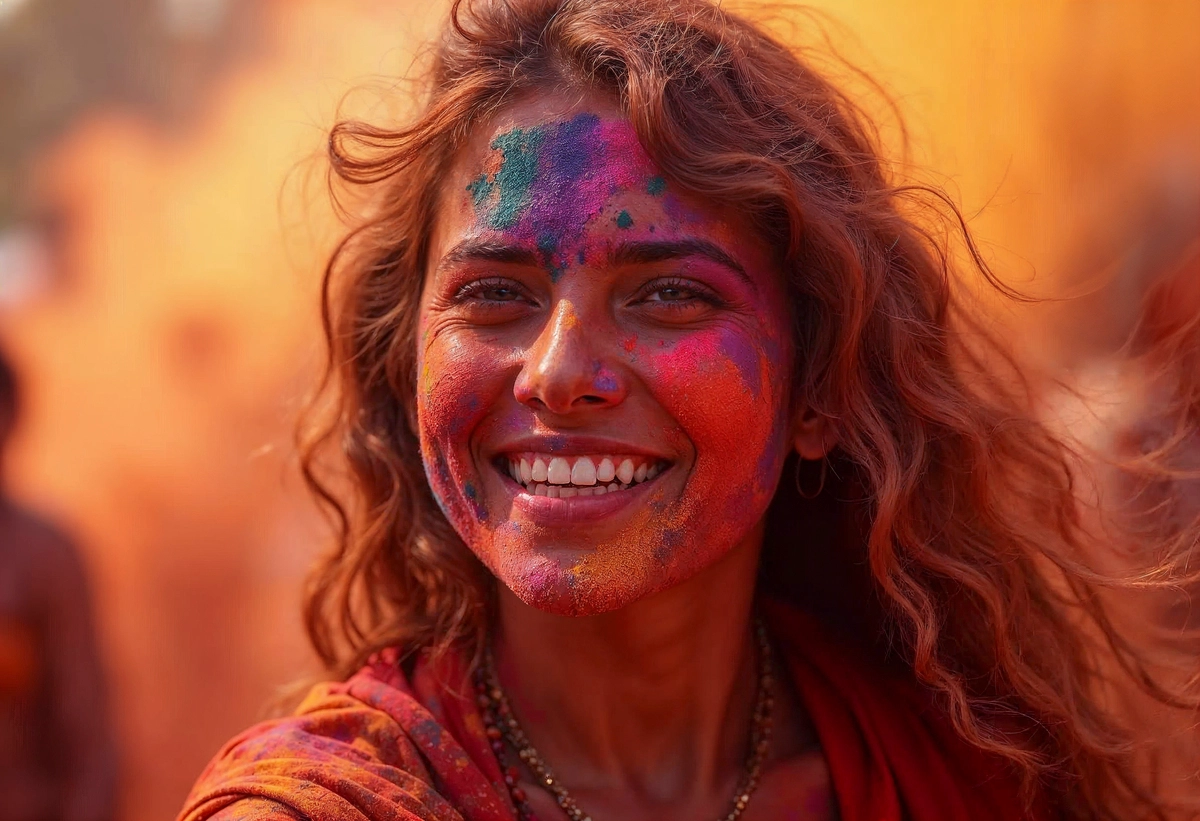
You are happy and exhausted, but the music is over. Holi is a vibrant celebration of color and joy. As you stare in the mirror, you realize that you are a walking Rainbow.
It can be a struggle to remove the Holi colours. Stop scrubbing your face or using harsh soaps. You’ve already exposed your skin to hours of sunlight, chemicals, and water. It is not the time to rough-treat your skin.
This guide will help you learn how to remove Holi colors from your face and skin without damaging the skin barrier. You will learn how to restore your skin’s natural glow using safe, gentle, and effective methods. From kitchen remedies to dermatologist-approved tips, we have everything you need to clean up safely.
What is the importance of safely removing Holi colors?
It is important to remove Holi colors safely because many synthetic dyes contain harmful chemicals such as lead, mercury and oxidized metals. These colors can lead to:
- Dermatitis Contact: Itching and redness.
- Flaking and Dryness: Harsh Colors Strip natural oils off your skin
- Pimples, clogged pores caused by thick, colored pastes.
Scrubbing too hard can cause microtears, making your skin more susceptible to infection. It is important to dissolve the colour gently, without removing it.
Skincare tips for pre-Holi: prevention is better than cure
Preventing color from adhering in the first instance is by far the easiest method to remove it. Preparation is key.
1. You can also use Oil on Your Skin
Make a barrier to protect your skin from the color. Use coconut, almond, or olive oil to apply a thick layer to your neck, face, arms, and legs. This oil will prevent the dye from entering your pores, making it easier to remove later.
2. Sunscreen is a Must!
Holi, an outdoor festival, can cause damage from the sun’s rays and chemical compounds. Over your oil, apply a waterproof sunscreen with at least SPF 30. It protects from UV rays and provides an additional layer of protection against dyes.
3. Cover up
Cover as much of your skin as you can. Wearing long sleeves or full-length trousers reduces the amount of skin exposed to the sun.
Holi Removal Guide for Face and Skin
Follow this simple routine after the party to effectively cleanse your skin.
The first step is to rinse with cold water.
Rinse your body and face with lukewarm or cold water. Avoid using hot water, as it can cause the color to solidify and become harder to remove. Allow the powder to wash naturally.
Step 2: The Oil Cleaning Method
Massage your face (with coconut or olive oil) before using soap. Oil binds with color pigments, lifting them off your skin. After massaging for 2 to 3 minutes, wipe off the oil with wet or soft cotton pads.
Step 3: Cleanse with a gentle cleanser
You should now wash your face using a gentle, foaming soap. Do not use harsh soaps as they can further dry your skin. Ingredients like aloe or glycerin that moisturize while cleaning are worth looking for.
Step 4: Moisturize Immediately
After cleaning your face, gently pat the skin dry. (Don’t rub!) Apply a thick moisturizer. After exposure to chemical agents, your skin requires hydration.
Remove Holi colors with natural remedies.
You can find natural remedies in your own kitchen to remove Holi color from your skin and face. Natural solutions are effective and gentle for removing Holi colors from the skin or face.
Gram Flour and Milk Pack
It is an ancient Indian remedy.
- . Mix 2 tablespoons of besan (gram flour) with milk until a smooth paste forms. Add a little turmeric.
- Use it on your body and face. Allow it to dry out a little, and then use wet hands to rub it away gently.
- How it works: Besan is a natural skin exfoliant that removes dead cells, and milk hydrates.
Lemon Honey Mixture
Lemon is an effective natural bleaching solution for stubborn stains.
- Mix lemon juice with honey in equal amounts.
- Use it. Apply the product to the stained area and let it sit for 10 to 15 minutes. Remove with warm water.
- How it works: Lemon’s acidity cuts through dye, and honey keeps your skin soft. Do not use if your skin is sensitive or if you have open wounds.
Curd (Yogurt), Sandalwood
This pack soothes and cools the skin.
- Make it by mixing 2 tablespoons plain curd and 1 tablespoon sandalwood powder.
- Use: Spread the paste on your skin and leave it for at least 20 minutes. Rinse it off.
- How it works: The curd is rich in lactic acid, which exfoliates gently. Sandalwood reduces inflammation.
Mashed papaya
- Use it: Apply a mashed papaya to your face.
- How it works: Papaya is rich in an enzyme called papain, which helps remove surface stains and dead skin cells.
Products for tough Stains
Synthetic dyes can sometimes be difficult to remove with natural products. These are some safe products that can be used.
- Microellar Water: Ideal for removing surface color without stripping oil. Use a damp cotton pad to wipe your face gently.
- Cleaning Balms: These balms are oil-based and melt makeup. These balms are very effective at removing heavy layers of color and grease.
- Ubtan face wash: Many brands offer Ubtan-based products to brighten and exfoliate the skin.
Different skin types: Actionable tips for different skin types
The type of skin you have will determine how to remove the color.
The best for oily skin and acne-prone skin
- Do not use heavy oils. Instead of coconut or other cleansing oils, try jojoba.
- Mud Masks are excellent. This mask absorbs oil and removes impurities.
- Do a Double Cleanse: Use an oil cleanser, followed by a foaming water cleanser. This will ensure that no residue remains to block pores.
The Dry Skin Treatment
- First, hydrate. Use a cleanser based on cream. You should avoid foaming soaps as they can leave the skin feeling dry.
- Your friend is honey. Add honey to DIY masks. Honey is a humectant. It draws moisture to your skin.
- Lemons can dry out the skin. Avoid lemons. Keep to remedies based on milk or curd.
The Sensitive Face
- Patch Test: Before using any treatment, test it on a small area of your neck first.
- Use granular scrubs instead. These products can lead to microtears. Instead, use chemical exfoliants and soft washcloths.
- Ingredients that soothe: Try products with cucumber, rosewater, and aloe Vera.
Common mistakes to avoid
You could be harming your skin even with good intentions. When learning to remove Holi colors from skin and faces, avoid these common mistakes.
1. Scrubbing Too Hard
The number one error is this. The color cannot be removed by scrubbing; it must first be dissolved. Rubbing can cause irritation and redness. Gentleness and patience are key.
2. Use Hot Water
Hot water will strip your skin’s natural moisture barrier. Some dyes will also adhere better to your skin when you use hot water. Use lukewarm or cold water.
3. Kerosene and Petrol
People do this. It may sound extreme, but it is done. Do not apply harsh solvents to your skin, such as kerosene or petrol. They are highly toxic and may cause chemical burns.
4. Over-Exfoliating
Wash your face only once an hour. It is best to wash it thoroughly once, moisturise, then wait. Over the next day, any remaining colour will naturally fade.
After-Holi Skincare Tips
Once the colour is gone, care continues. You need time for your skin to recover.
- Drink 3 Liters or More of Water. Your skin will clear up if you detoxify your body.
- Skip Makeup: Give your skin a break. For at least 24 hours, avoid foundation or heavy makeup to allow your skin pores to breathe.
- Sleeping Mask: Apply an overnight mask to nourish the skin as you sleep.
- Calming Toner: Use rosewater toner after using harsh, alkaline colours to restore your skin’s pH balance.
The Key Takeaways
- Always prepare your skin before you play. Apply sunscreen and oil to it.
- Do not scrub too hard. Use oil to dissolve color.
- Uses natural: Lemon, besan and curd are skin-friendly, effective removers.
- Personalize Your Care: Choose Remedies Based on Your Skin Type (Oily, Dry, or Sensitive)
- Be patient. Some colors may fade over a few days. Do not panic or over-wash.
FAQs (Frequently Asked Questions)
How do you remove Holi from your face?
Oil cleansing is best. You can use coconut oil or olive oil to remove the color. Then wipe off with gentle soap, and then wash your face.
How to remove Holi colour naturally
Making a paste with gram (besan) flour, milk and turmeric. It can be used as a face mask. Let it slightly dry, then gently scrub off. This removes dead skin and color effectively.
Can Holi colors damage your skin?
Synthetic colors can contain industrial dyes, heavy metals, and other chemicals that cause irritation, dryness and allergic reactions. Organic colors are always better.
What is the best product to remove Holi colours?
The best and safest products for removing Holi colours are Micellar Water, cleansing oils, and a Ubtan-based face wash.
What is the best way to remove Holi colors from sensitive skin?
Do not use lemon or physical scrubs. To gently clean and soothe your skin, use a paste made of sandalwood and curd. Patch-testing new products is always recommended.
Does sanitizer remove Holi color?
While hand sanitizers can remove the color of your hands, never apply them to your face. Alcohol is very drying to the skin and may cause damage.
The conclusion of the article is:
Holi should bring back memories of laughter and joy, not irritation. Follow these tips to keep your skin healthy.
The key to success is patience. Use natural products whenever possible and avoid harsh chemicals. Your skin’s health will last forever, even if the colors fade.
Enjoy the colors of this festival without worrying. You are now equipped with the tools to take on even the toughest dyes.