


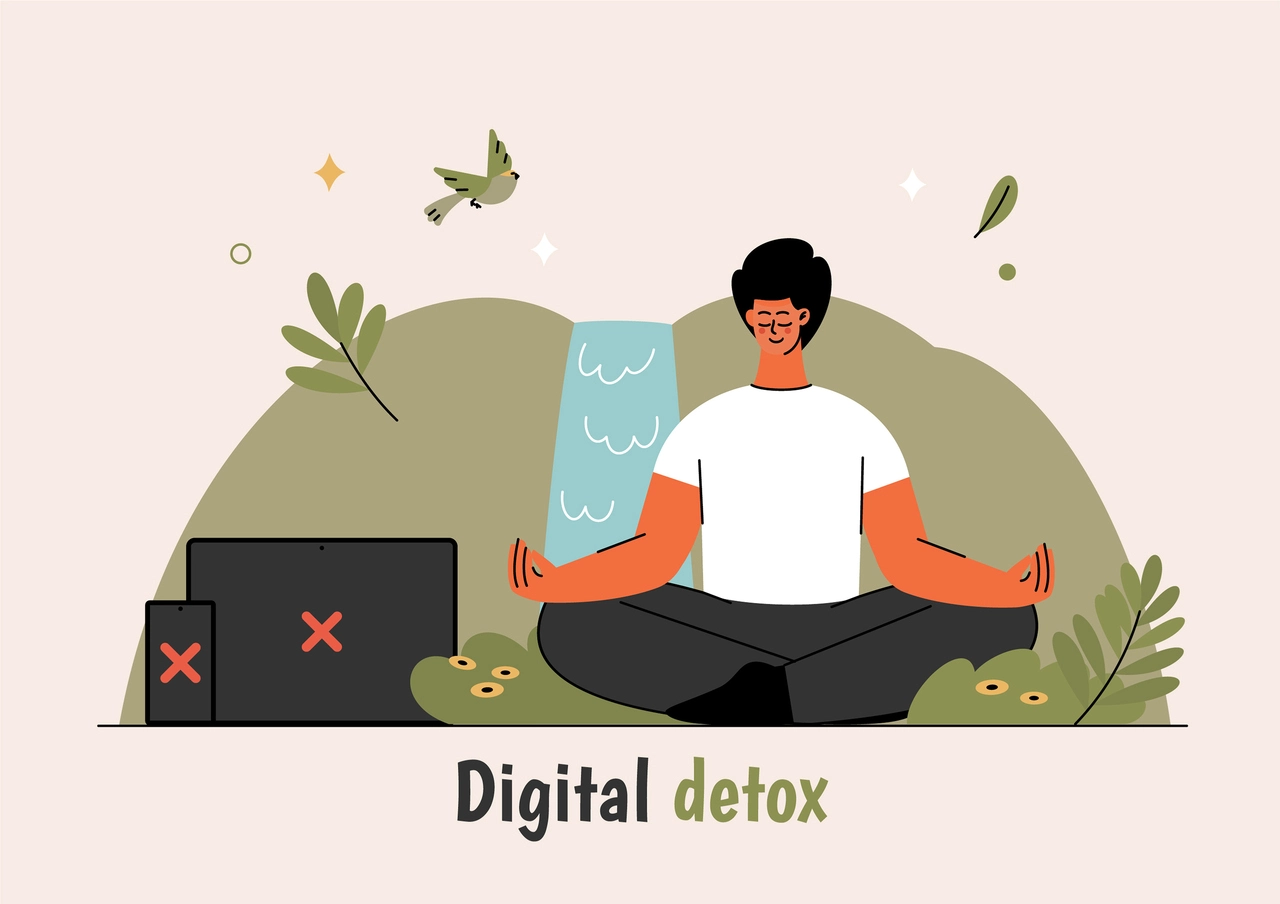
Digital Detox Ideas for Modern Life: Simple Ways to Feel More Calm and Present
The modern world is reliant on screens. Many people check their phones as soon as they wake up. We are constantly bombarded with messages, emails, videos, news and social media. Technology can make life easier, but it also makes the mind tired, overloaded, and distracted. Many people now talk about digital detox.
Digital detoxification does not mean you have to give up your phone or internet. This is simply about setting healthy screen limits to make life feel more balanced. Even a slight reduction in screen time can make many people feel more balanced. The people who reduce screen time notice better concentration, calmer thinking, and have more free time to spend with their loved ones.
Modern life moves fast, and digital detox is becoming more popular. Attention is constantly pulled in multiple directions by notifications that never end. This article offers simple and realistic ideas for a digital detox that can be easily incorporated into your daily life. The ideas in this article are simple to grasp and to implement, no matter how busy you may be.
Digital Detox is Important in Today’s World
The technology is all around us. Even watches, phones, laptops and smart TVs demand your attention. Mental fatigue is a familiar feeling for many people. The constant use of screens can cause the mind to feel restless and noisy.
Digital detox can help people relax. Even if screens are only reduced for a short time, this allows the brain to relax. When people step away from their screens, they often feel more alive and lighter.
It is important to note that digital detox does not mean being rigid. This is all about making space for quiet moments. This balance has become more and more crucial in modern society.
Focus on Awareness and Not Pressure
First, you need to observe your habits. Most people don’t realize how frequently they use their phones. This can be done automatically and without even thinking.
Observing your daily screen usage is a better way to make small changes than forcing them. Observe when and why you use your smartphone. Are you reaching for your phone out of boredom, habit or stress? You can better understand how you use technology by being aware of your habits.
Once people become more aware of the dangers, they begin to use screens with greater caution.
Establish gentle screen time boundaries.
Having boundaries doesn’t mean having strict rules. This means deciding on specific times to be less connected with screens. Most people begin with simple steps like not using their phones before going to bed or during mealtimes.
The gentle limitations help to create breaks throughout the day. The mind feels relaxed when it knows that there will be a break from the screens. These small boundaries will become habitual over time.
Consistency is the key, not perfection.
Phone Free Mornings
The mornings set the tone for the rest of the day. As soon as people wake up, they reach for their phones. Stress can be created by messages and breaking news.
Even 15-30 minutes of a morning without a phone can be a huge difference. People can stretch out, sip water or sit still during this period. The mind will slowly awaken.
This habit is said to calm and focus people in the mornings.
Reducing Notifications Reduces Stress
The notifications are constantly stealing our attention. Even if the alert is not opened, it can still interrupt your focus. When notifications are reduced, many people report feeling calmer.
By turning off notifications that are not important, you can create more mental space. You can check your messages at any time. Often, this simple adjustment reduces stress and distractibility.
A quieter phone creates a quieter mind.
Make Screen-Free Zones in Your Home
Separating digital and personal lives with screen-free zones is a great way to do so. Screen-free zones are often chosen as areas such as the bedroom, dining room or living area.
The conversations are more meaningful, and the rest is better when screens are absent. It is a good habit to have, particularly at night.
The screen-free zone creates balance with no effort.
Reduce Screen Time with Simple Offline Activities
When screens are substituted with fun activities, it is easier to detoxify. Popular choices include reading, walking, writing, cooking or listening to music.
The brain will relax as a result of these activities. When people spend more time offline, they feel better rested and can sleep well.
It is essential not remove all screens, but rather to create space for new experiences.
Intentionally Use Social Media
The endless scrolling of social media often causes fatigue. Some people limit their social media usage to specific times.
Social media should be used with purpose and not just out of habit. Unfollowing accounts can make you feel negative or stressed.
Healthy feeds create a better digital experience.
Take a short digital detox break.
It is not necessary to take a digital detox for days. A few hours of digital detox can reset your mind. Most people opt to be offline one evening per week.
This is the time when phones are left at home, and people focus on hobbies or rest. This short break helps people to reconnect with themselves.
It is often more convenient to take short breaks than detox programs.
The Screen Lights Up Your Evenings
The amount of time spent on screens in the evening can have a negative impact on relaxation. Bright screens stimulate the brain. Most people use lighter screens at night.
Unwinding the body by switching off all devices one hour before going to bed can help. You can substitute scrolling with reading, gentle stretching or quiet time.
It is a good habit to develop if you want better nights of sleep.
While resting, keep all devices out of reach.
Distance between screens and the user can reduce their screen time. It is easier to use devices when they are close at hand.
Most people put their phones in a different room or on a bookcase during the rest period. It encourages relaxation and presence.
In many cases, out of sight is also out of mind.
Practice Mindful Technology Use
Being mindful of your technology usage means you are aware and conscious. Simple questions such as “Why do I open this app? “or “How does it make me feel?” can be helpful.
Reduce your screen time by adopting this habit. When people become more aware, they tend to use their devices less.
The technology becomes an instrument, and not a distractor.
Detoxification Supported by Digital Tools
Apps that limit or track usage can be helpful. Some apps gently remind users that they need to take a break.
It is helpful for many people to have real-time data on their usage of screens. This increased awareness can lead to positive changes.
Technology itself can support a digital detox.
Connect with Physical World Moments
Digital detox helps people reconnect with simple moments. The digital detox allows people to reconnect with the simple things in life.
Calm is brought by listening to the birds or feeling the sunlight. This helps to keep the mind grounded in the moment.
Most people feel that these activities are more fulfilling than watching TV.
Encourage Digital Detox in the Family
Shared digital detox is a great idea. Many families choose to have dinners and evenings without phones.
The children also gain from a balanced use of screens. Families who spend more time together offline feel closer.
It is easier to keep up shared habits.
Detox is not perfect.
It is important to remember that digital detox does not mean being perfect. It is okay to have days with more screen time.
Balance is the goal, not control. Flexibility is a key to sustaining a habit.
More critical than rules are progress and not strictness.
Make Digital Detox a Daily Routine
Even small daily changes are better than major ones. It is beneficial to spend 10 minutes each day without a screen.
These habits will become second nature. People are less reliant on their screens.
Comfort is built on consistency.
Do not focus on the numbers, but rather on how you feel.
Feelings are more important than screen time. Observe how your mood shifts when you reduce screen time.
These feelings can lead to healthier habits. These feelings influence healthy habits.
It is essential to listen to both your mind and body.
Let Digital Detox Improve Real-Life Connections
Reduced screen time can improve relationships. The conversations feel more authentic, and the attention is genuine.
People report better communication without devices.
The real-life connection is stronger when there are no digital interruptions.
Make a personal digital balance.
Everybody’s lives are different. The same thing that works for someone else may not be the best for you.
Your lifestyle should be compatible with your digital detox. Select habits that are easy to maintain and support.
Personal balance is better than rigid rules.
Last Thoughts: The Real Goal is Balance
The idea of a digital detox does not mean that you are rejecting the modern world. These ideas are all about creating space to focus on real moments and calm.
Even small changes can have a considerable impact. Life feels more light and more balanced when technology is used intentionally.
It is essential to take pauses in a digitally fast-paced world.
1 Comment